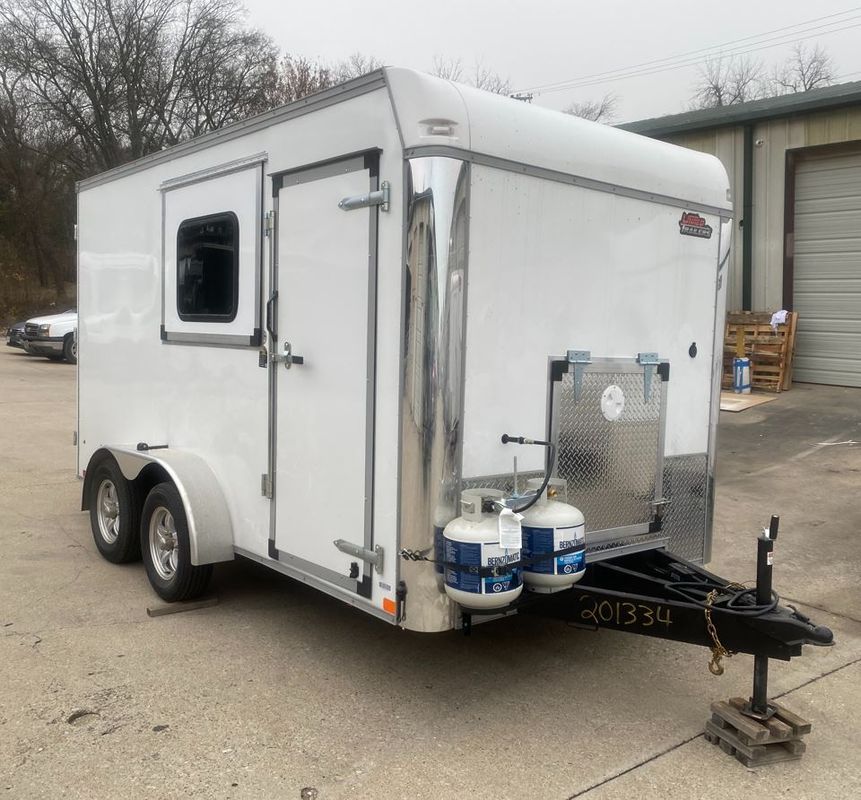

Why the Math Just Works: The Financial Case for Owning Your Own Mobile Grooming Conversion
The pet industry is growing rapidly, and with it, the demand for professional pet grooming services continues to soar. Groomers today have more options than ever before: they can work as employees in brick-and-mortar salons, rent a station, work for a mobile grooming company, or strike out on their own with a mobile grooming conversion van. While each path has its merits, the numbers show that owning your own mobile grooming business offers the best long-term financial rewards—and a level of freedom and satisfaction that’s hard to match.
In this article, we’ll break down the real costs, earnings, and advantages of owning your own mobile grooming van compared to working for someone else or operating in a traditional salon. We’ll explore startup costs, ongoing expenses, earning potential, and the intangible benefits that come with business ownership. By the end, you’ll see why the math just works in your favor when you invest in your own conversion.
1. Earning Potential: The Top-Line Difference
Working for Someone Else
When you work as an employee in a salon or for a mobile grooming company, your income is typically limited to an hourly wage or commission (often 40-60%). In many markets, this might mean bringing home $600-$1,000 per week, depending on your experience, clientele, and schedule. Your employer sets your prices, determines your schedule, and controls your advancement.
Brick-and-Mortar Ownership or Booth Renting
Salon owners face high overhead in rent, utilities, and staff. Booth renters may keep a higher percentage of their income, but they’re still bound by the salon’s reputation, pricing, and foot traffic.
Owning a Mobile Grooming Conversion
Mobile groomers who own their own van set their own prices, keep nearly all revenue, and have minimal ongoing expenses compared to salon ownership. In most major markets, mobile groomers charge $75–$150 per dog for a full-service groom, and can easily book 5–8 appointments per day. Even after accounting for fuel, supplies, and maintenance, the difference in take-home pay is dramatic.
Example:
- 6 dogs/day x $100/groom = $600/day
- 5 days/week = $3,000/week
- 50 weeks/year = $150,000/year (gross)
After expenses, it’s common for solo mobile groomers to net $80,000–$120,000 per year—often double or triple what they’d earn as an employee.
2. Startup Costs: Investment vs. Overhead
Salon Employment
Zero startup cost, but also zero ownership, equity, or long-term growth. You’re building someone else’s business.
Brick-and-Mortar Ownership
Opening a salon requires a significant upfront investment: commercial rent, buildout, equipment, utilities, permits, signage, and staff. Start-up costs frequently exceed $75,000–$150,000 before you groom your first pet. Ongoing costs are also high: rent, utilities, insurance, payroll, marketing, and repairs.
Mobile Grooming Conversion
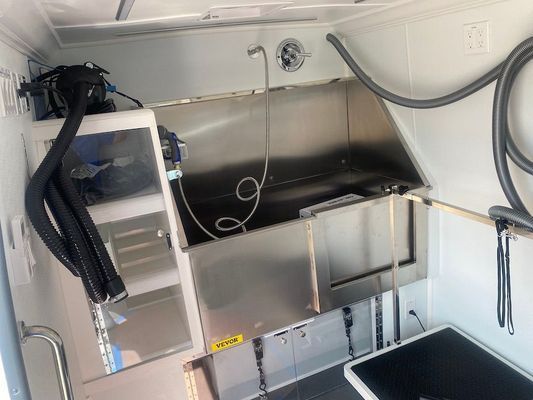
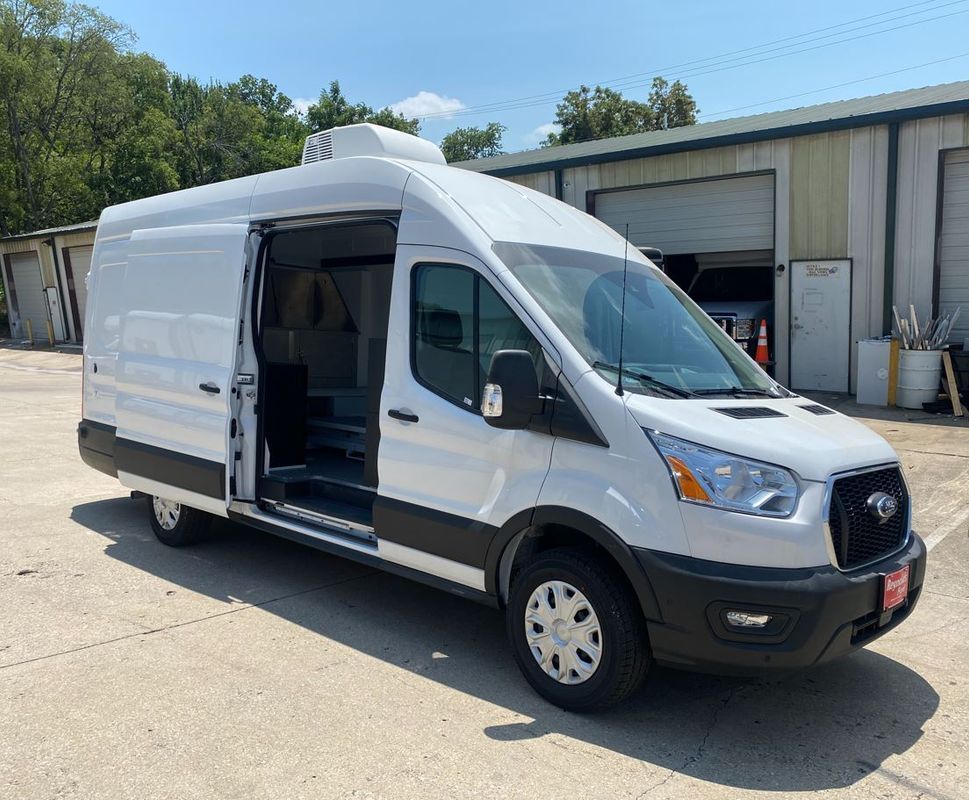
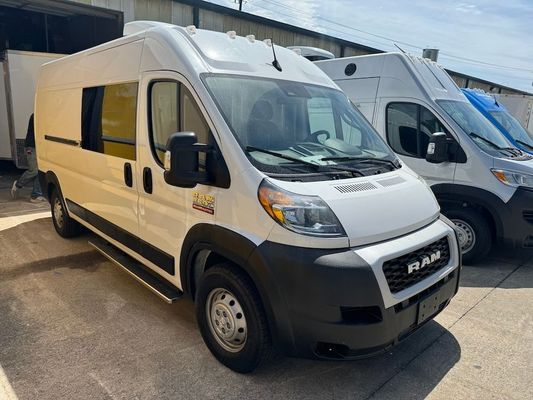
A fully-equipped new mobile grooming van typically costs between $75,000 and $120,000. Financing is widely available, often with little money down and manageable monthly payments. Unlike a salon, there’s no need to hire staff, pay rent, or invest heavily in fixtures and décor. Your “shop” is your van.
Monthly Payment Example:
- $100,000 van financed over 7 years at 7% = ~$1,400/month
- Insurance, fuel, supplies: $500–$1,000/month
Compared to brick-and-mortar ownership, your monthly overhead is dramatically lower and more predictable.
3. Overhead: Keeping More of What You Earn
Salon Employment
Employers cover overhead, but you pay for it via lower wages or commissions.
Brick-and-Mortar Ownership
Rent, utilities, payroll, insurance, cleaning, and marketing can easily consume 50% or more of gross revenue. A slow week or month can mean operating at a loss.
Mobile Grooming Conversion
Key expenses include:
- Van payment/lease
- Insurance (vehicle and business liability)
- Fuel and maintenance
- Grooming supplies
- Marketing/website
No rent. No utilities beyond van operation. No staff unless you choose to expand. Your break-even point is much lower, and nearly every additional appointment goes straight to your bottom line.
4. Scheduling Freedom and Work-Life Balance
Employee or Booth Renter
You work the hours your employer or salon owner assigns. Time off often requires advance notice and may be restricted during busy seasons.
Mobile Grooming Owner
You decide your schedule and can adjust your hours to suit your lifestyle, family, or travel goals. Want to take a vacation? Block off time. Prefer to work four long days instead of five? It’s your call. This flexibility is invaluable for many groomers and leads to higher job satisfaction and less burnout.
5. Client Relationships and Loyalty
Employee
Clients are technically the salon’s, not yours—even if you build strong relationships.
Mobile Owner
Clients are yours. You build trust, offer personalized service, and benefit from referrals and repeat business. Many mobile groomers find their books fill quickly and have long waitlists, especially as the demand for convenient, in-home service grows.
6. Pricing Power and Upselling
Employee
Limited ability to set or adjust prices, offer packages, or upsell add-on services.
Mobile Owner
You control your pricing and can charge premium rates for convenience, one-on-one attention, and specialty services (de-shedding, hand stripping, creative grooming, etc.). You can introduce new services, promote seasonal specials, and directly capture all upsell revenue.
7. Tax Advantages of Business Ownership
Owning your own grooming business, whether mobile or salon, provides significant tax advantages:
- Deduct van depreciation, interest, insurance, and maintenance
- Deduct grooming supplies, advertising, and continuing education
- Potential home office deductions if you manage your business from home
With good recordkeeping, you keep more of what you earn—legally.
8. Asset Ownership and Business Equity
Employee
You have no ownership stake. When you leave, you take your skills—but nothing else.
Mobile Grooming Owner
You own your van (an asset with resale value) and your business name, client list, and reputation. Should you ever decide to sell, mobile grooming businesses command high resale values due to low overhead and high demand.
9. Resilience in a Changing Marketplace
The COVID-19 pandemic demonstrated the vulnerability of traditional salons, many of which were forced to close for months. Mobile groomers, however, were often able to continue operating safely, outdoors or curbside, with minimal contact.
Consumers today value convenience, safety, and personalized service. Mobile grooming is uniquely positioned to meet these needs—and the trend is only accelerating.
10. Quality of Life: More Than Just the Money
While the financial benefits are clear, mobile grooming ownership also brings intangible rewards:
- Greater autonomy and job satisfaction
- Stronger client bonds
- Ability to work with pets in a calm, one-on-one environment
- The pride of building something that’s truly yours
Many groomers report feeling more fulfilled, less stressed, and more excited about their work once they go mobile.
11. Breaking Down the Numbers: A Year in the Life
Let’s compare real-world annual numbers for a solo groomer in each scenario:
Employee in a Salon or Mobile Company
- Income: $40,000–$55,000 (after taxes, tips, and commissions)
- Expenses: Minimal (commute, tools, uniforms)
- Time Off: Limited, often unpaid
Booth Renter
- Gross Income: $60,000–$80,000
- Expenses: Booth rent ($1,000–$1,500/month), supplies, insurance
- Net Income: $40,000–$50,000
Brick-and-Mortar Owner
- Gross Income: $100,000+
- Expenses: High (rent, utilities, payroll, marketing, insurance)
- Net Income: $40,000–$60,000 (can vary widely based on volume)
Mobile Grooming Owner (Solo)
- Gross Income: $120,000–$150,000
- Expenses: Van payment ($1,400/month), insurance, fuel, supplies ($1,000/month)
- Net Income: $80,000–$120,000
The numbers speak for themselves. Even accounting for loan payments, insurance, and maintenance, mobile grooming owners consistently out-earn their counterparts in other scenarios.
12. Overcoming the Fear: Is the Investment Worth It?
It’s normal to feel nervous about taking on a van payment or leaving the security of a job. But consider this:
- Many financing companies specialize in mobile grooming vans, with flexible terms and low down payments.
- Demand for mobile services is at an all-time high.
- The return on investment (ROI) is fast—most groomers pay off their van within 3–5 years, then enjoy years of high profits and low overhead.
Plus, you’re investing in yourself and your future—not someone else’s business.
13. Tips for Making the Switch
- Do Your Research: Talk to other mobile groomers, visit conversion companies, and understand your local market.
- Start Part-Time: If possible, ease into mobile grooming by starting on weekends or after hours.
- Market Yourself: Build a website, utilize social media, and ask happy customers for referrals.
- Keep Good Records: Track expenses, income, and maintenance for tax and business planning.
- Invest in Quality: Choose a reliable conversion company and maintain your van for years of trouble-free operation.
14. Conclusion: The Math Doesn’t Lie
Owning your own mobile grooming conversion van isn’t just a dream—it’s a smart, strategic financial move for any groomer ready to take control of their career. The earning potential is significantly higher, overhead is lower, and the flexibility and satisfaction are unmatched.
By investing in your own business, you unlock the ability to set your own prices, control your schedule, and build lasting relationships with your clients and their pets. You gain valuable assets, tax advantages, and the pride of entrepreneurship.
If you’re ready to do the math and make the leap, the numbers—and your future—are in your favor.